

I recently received the following email which inspired me to write this article.
Hello!!! Looking for some good advice about the care and maintenance of mature locs. I’ve had locs for about 8 years. They come just below my waist. They are becoming heavy. As I have become older my root hair is becoming thinner. I’m afraid the weight of my locks will make them break. My hairline is already receding because of hereditary traits. Could you give any suggestions on how to strengthen my root hair? I love my locks and do not want to cut them, but that may have to be a consideration if they continue to not be able to be supported by my hair. Thanks for your help!
I’m sure a lot of us in the loc community can relate.
Regardless of how many years you’ve had your locs, the tension from the weight of your dreadlocks could start to take a toll on your roots, and as a result, thinning and breakage can occur.
There are methods to prevent and hopefully reverse this, all of which will be discussed in this article.
First and foremost, we must determine what is causing your hair loss (or the symptoms) because that underlying issue cannot be ignored. Secondly, I will highlight three key changes that will boost scalp health and produce strong hair.
This article is all about how to strengthen your locs at the root.
What is causing your hair loss or weak hair follicles?
Hair loss can occur due to various factors. The most common reasons include androgenetic alopecia and telogen effluvium.
Androgenetic alopecia
Androgenetic alopecia is primarily influenced by a genetic predisposition and is a common indication of aging.
- Genetics: Variants of the AR (androgen receptor) gene on the X chromosome are believed to be the cause of hereditary hair loss.
- Aging: As we get older, the rate of our hair growth naturally slows down. Our hair follicles may become smaller and produce finer, thinner hairs. This can result in overall hair thinning and reduced hair density, although it is not necessarily considered pathological hair loss.
While there’s no proven cure for androgenetic alopecia, natural treatments (when started early) can significantly slow the process down.
Hyaluronic acid (HA) is also renowned for aiding hair growth and retaining moisture. HA is a naturally occurring substance present in the body, predominantly found in areas like the eyes, joints, and skin. It serves as a viscous and slick material, functioning as a cushion and lubricant in joints and various tissues.
Research indicates that it may alleviate the progression of androgenetic alopecia by enhancing scalp blood circulation, sustaining a balanced scalp microbiome, and enclosing the hair cuticle. Be sure to consult this with your doctor if you’re interested in treating alopecia with HA.
Telogen effluvium
Telogen effluvium is a temporary form of hair loss that is often triggered by factors such as physical or emotional stress, illness, surgery, childbirth, hormonal changes, nutritional deficiencies, medications, or underlying medical conditions.
- Nutritional deficiencies: Inadequate intake of essential nutrients like vitamins (such as vitamin D, vitamin A, vitamin E, and the B vitamins), minerals (such as iron, zinc, and selenium), and protein can contribute to hair loss. Nutritional deficiencies can disrupt the normal growth cycle of hair follicles, leading to hair thinning and loss.
- Stress: Physical or emotional stress can trigger hair loss by disrupting the hair growth cycle and causing more hair follicles to enter the telogen (resting) phase prematurely. Chronic stress can also lead to hormonal imbalances, which may further contribute to hair loss.
- Hormonal factors: Hormonal imbalance due to pregnancy, childbirth, menopause, thyroid disorders (such as hypothyroidism or hyperthyroidism), polycystic ovary syndrome (PCOS), or other hormonal imbalances can contribute to hair loss.
Hormones like estrogen, testosterone, and thyroid hormones play a crucial role in regulating the hair growth cycle, and disruptions in hormone levels can lead to hair thinning and shedding. In males, the hormone dihydrotestosterone (DHT), is the primary hormone that causes pattern baldness due to shrinking hair follicles.
- Health conditions: Certain medical conditions and autoimmune diseases, such as alopecia areata, lupus, chronic inflammation, cholesterol imbalance, and thyroid disorders, can cause hair loss as a symptom. Additionally, scalp conditions like seborrheic dermatitis and/or fungal infection can contribute to hair loss if left untreated.
- Medications: Certain medications, including chemotherapy drugs, anticoagulants, antidepressants, anticonvulsants, beta-blockers, and medications used to treat high blood pressure or cholesterol, can cause hair loss as a side effect. Hair loss induced by medications is usually temporary and resolves once the medication is discontinued.
- Trauma or injury: Physical trauma to the scalp, such as from injuries, burns, or harsh hairstyling practices (like tight ponytails, braids, or extensions), can damage hair follicles and lead to hair loss.
Telogen effluvium typically resolves on its own once the underlying issue has been addressed. In other words, if your hair loss is linked to any of the temporary issues on this list, it’s important to treat the root cause (no pun intended) of that problem.
How can I strengthen my locs and thicken my loc roots?
In continuation, I will discuss several well-researched methods that have shown to support and encourage hair growth.
Disclaimer: I’m very much against the use of harmful chemicals, so I only focus on natural remedies. I believe that the majority of people who implement the suggestions listed here will see improvements in their hair health regardless because your overall wellbeing improves when you implement healthier practices.
However, I’m not a doctor and I am not prescribing anything to heal your condition specifically. If you’re unsure about which method will give you the best results, or you’re considering trying out chemical treatments, then get a doctor’s professional opinion first.
Ok, back to the question at hand. How can you strengthen your locs and roots?
The answer lies in the following equation.
A balanced diet + hair products made with natural ingredients + healthy lifestyle and good routine = healthy hair growth.
Let’s break each of these down.
Nutrition
I truly believe that at the core of every physical ailment lies a natural solution. After all, our bodies are designed to heal themselves.
That being said, it’s crucial that you make your health a priority if you want strong hair roots.
A healthy diet is what is going to make a significant impact in your hair thickness and quality, and by the same token, a poor diet is going to cause hair damage (i.e. dry and brittle hair).
I cover nutrition in depth in this post, but I’ll give you a brief snippet of it here.
At the very minimum, you should be drinking plenty of water, eating nutritious food, and taking mineral or vitamin supplements if your body is lacking something.
These are some of the most important nutrients our bodies need as they relate to hair health.
- Protein: Our hair strands are made up of keratin, aka protein. Therefore, we should increase our protein intake in order to encourage thicker hair. Protein-rich foods include salmon, tuna, halibut, chicken, beef, turkey, and bison.
If you’re vegetarian, you can eat eggs, greek yogurt, nut butters, and whey protein powders.
If you’re vegan, you can eat beans and lentils (black or lima beans), cruciferous vegetables (cauliflower, cabbage, broccoli), asparagus, oats, seeds (hemp seeds, pumpkin seeds, chia seeds), spirulina, quinoa, almonds, avocado, and nuts (pistachio, almonds).
- Vitamin A: Some food options include green leafy vegetables, sweet potatoes, red bell pepper, carrots, milk, eggs, fish oils, tomatoes, mango, and cantaloupe.
- B vitamins: B vitamins, particularly B6 and B12, and necessary for healthy hair. They are found in salmon, seafood, egg yolk, whole grains, seeds, avocados, and lentils.
- Vitamin C: Foods that contain a lot of vitamin C include citrus fruits (lemons, oranges, grapefruit, kiwi), tomatoes, green and red bell peppers, brussels sprouts, strawberries, dark leafy greens, and potatoes.
- Vitamin D: Sunshine is one of the best sources of vitamin D, however it’s also found in milk, eggs, fatty fish, mushrooms, and yogurt.
- Vitamin E: Foods rich in vitamin E include sunflower seeds, avocado, spinach, butternut squash, broccoli, almonds, peanuts, poultry, meat, dairy, and oils (olive oil and coconut oil).
- Iron: Foods with a lot of iron include red meat, poultry, fish, eggs, lentils, beans, quinoa, oats, beets, and green leafy vegetables, nuts, and seeds.
- Zinc: Zinc can be found in oysters, crab, lobster, lentils and legumes (like chickpeas), nuts (like cashews), oats, eggs, and dairy.
- Selenium: Selenium can be found in Brazil nuts, lean meats, seafood, dairy, grains, seeds, beans, and lentils.
- Calcium: Foods with lots of calcium include kale, broccoli, collard greens, spinach, edamame, and turnip greens.
- Fiber: Foods that contain a lot of fiber include oatmeal, quinoa, barley, nuts, raspberries, vegetables, avocados, chia seeds, beans, legumes, and amla (Indian gooseberry).
- Anti-inflammatory foods: Inflammation can wreak havoc on the health of your hair (and your overall health, for that matter). Be sure to eat foods that reduce inflammation in your body, such as oatmeal, berries, oranges, nuts, spinach, kale, fatty fish, and oils (olive and flaxseed oil).
You can also cook with spices and herbs to boost the anti-inflammatory properties of your meals. Some of the best ones are turmeric, oregano, ginger, garlic, rosemary, cinnamon, cumin, neem, and fenugreek. Green tea, plain coffee, and ashwagandha are also anti-inflammatory.
- Water: Finally, we should remember to drink plenty of water each day- that is, at least 2 liters! Dehydration will cause hair to stop growing. In order to prevent brittle and dry hair, we must stay hydrated.
If you’re not getting enough of these nutrients though foods, you may need to take supplements. Some supplements known to help prevent hair loss are palmetto, zinc, melatonin, and biotin.
If you’re considering taking supplements, it’s best to talk to your doctor first to make sure you’re medicating yourself properly.
Even having too much of any nutrient or supplement is not necessarily a good thing. Balance is key, and without some medical tests, you may not know what your body is actually lacking.
Natural products
Just like a nutritious diet, a proper hair care routine is also an important factor in maintaining a healthy scalp and strong hair.
There are several topical treatments that will nourish the scalp and promote hair growth, the most common ones being hair rinses and deep conditioning treatments.
Here are some that you can try:
- Apple cider vinegar rinse: Apple cider vinegar (ACV) lowers the pH level in our scalp, strengthens hair, and improves shine. Not only does it reduce dandruff and a dry scalp, but it also prevents itchiness by combating scalp issues caused by bacterial infections and fungus.
You should use diluted ACV as a weekly rinse after washing your locs. A good ratio would be 1 to 2 tablespoons of ACV to 1 cup water. You can rinse it off if you’d like or use it as a leave-in conditioner.
Tip: If you have new dreads, use ACV once a month until your locs have matured. The conditioning properties of ACV can detangle your hair at the root and slow down the matting process.
- Green tea rinse: Green tea contains vitamins C and E, as well as antioxidants and nutrients known to support scalp health and hair growth.
To make and use a green tea rinse, start by brewing green tea in hot water, same as if you were going to drink it. Leave it on the counter until it cools. Then, strain it and pour the liquid into a spray bottle.
After washing your hair, spray the tea all over your wet hair, mainly focusing on the roots. Massage your scalp gently- this will promote blood flow. Meanwhile, have someone warm up your microfiber towel in the dryer for a few minutes.
After you’ve sprayed and massaged the tea, wrap your hair in the warm towel. (Tip: It’s best to use a dark towel for this because green tea can stain.) Rest for 30 minutes and then give your hair a final rinse with cool water.
You can do this treatment once a week on your wash day.
- Aloe vera scalp gel: Aloe vera is one of my favorite natural hair care products. Aloe is 99% water and contains vitamins A, B12, C, and E which prevent hair fall. It soothes and moisturizes the scalp, which is perfect for combatting an itchy scalp while not leaving any product buildup.
To use aloe vera, it’s best to extract the gel straight from the leaf and make your own spray. I give you the step-by-step on how to do this right here.
- Horsetail oil: Horsetail oil is an extract of the horsetail plant. It reduces inflammation, helps improve hair elasticity, and improves blood circulation on the scalp. According to this study, horsetail helps diminish DHT (the hormone that causes baldness in men).
In other words, horsetail oil can reduce the possibility of premature baldness in men. Horsetail oil can be used on its own or be mixed with essential oils. Massage it directly onto your scalp and leave it on for at least 30 minutes before washing off.
- Onion juice: Onions contain anti-bacterial, anti-inflammatory, and collagen-boosting properties, as well as antioxidants and sulfur. All of these are known to prevent hair breakage, nourish the hair cuticle, and strengthen the hair shaft.
To make and use onion juice on your locs, start by chopping an onion and blending it in a food processor until it turns into a paste. With a cheese cloth, or similar fabric, strain the paste and squeeze out the juice into a bowl.
Apply the juice onto your roots and give yourself a gentle scalp massage. Leave it on for 30 to 60 minutes. Then, wash it off with your regular shampoo (a residue-free shampoo that is dreadlock friendly).
You can do this treatment once a week on your wash day.
- Hot oil treatment: A hot oil treatment is an effective way to add nourishment to your scalp and hair. For this, it’s best to start with clean hair, so do it right after you wash your locs.
If that’s not possible, then at least get your roots wet- this will open up the hair cuticle and make it easier for your scalp to absorb the nutrients.
In a pot, heat 2 tablespoons of the carrier oil of your choice (like castor oil, jojoba oil, coconut oil… learn which oil is best for your hair type here. Add essential oils if you’d like.
Set the hot oil on the side and separate your hair into sections for easier application. (Tip: Make sure the oil isn’t too hot when you’re about to apply it to your head so that it doesn’t scald you.)
Dip your fingers into the oil, and massage it throughout your scalp. Once you covered it completely, cover your hair with a shower cap and wrap it again in a warm towel. Let it rest for 30 minutes.
Then, rinse it off with cold or warm water. Depending on the type of oil you use, you may need to shampoo your hair once more since some oils are too thick and won’t rinse off with just water.
- Coconut milk treatment: Coconut milk is rich in essential vitamins such as B-1, B-3, B-5, B-6, C, and E, along with protein and fats.
For this hair mask, warm a quarter cup of coconut milk and gently massage it onto your scalp for 10 to 15 minutes. Cover your head with a shower cap, and let it sit for at least an hour. Then, rinse your hair with your loc shampoo.
- Overnight oil treatment: This is one of my preferred hair treatments because it gives my scalp lots of time to absorb the nourishing properties of the oils. Start by choosing one or a combination of carrier oils.
You can also mix in essential oils (I highly recommend rosemary oil and lavender essential oil). A good ratio would be 1 tablespoon of oil to 5-7 drops of essential oil.
Once you have your blend, massage it onto your scalp and wrap your hair in a plastic shower cap. Then, wrap it in a silk cap. Yes, you’ll need this double protection so the oils stay contained and don’t stain your bed sheets.
Go to sleep with this on your head and wash your locs first thing in the morning.
- Try one of my hair mask recipes: Hair masks are amazing for hair health. When you have locs, you have to be more cautious about which products you apply to your hair because anything you buy at the store tends to contain harmful ingredients that are not dreadlock-friendly.
Because of this, I prefer to make my own hair masks and I recommend you do the same. Soon I will be sharing my 5 favorite recipes and hopefully get inspired to create your own. (I will link it here once it’s published)
These treatments and suggestions can be implemented immediately- you don’t need to wait until you start to see signs of weak hair roots. And most importantly, do not wait until your symptoms have progressed.
If you wait too long, the symptoms could take much longer to reverse or be permanent.
Good routine
Our habits greatly influence our inner and outer health, which creates a domino effect and influences our physical well-being and hair health.
Two super important aspects of our health (in terms of promoting strong and thick hair) are to reduce inflammation in the body and to avoid things that are known to harm hair. Easy, right?
Here are a few ways you can do that.
Reduce inflammation in your body by:
- Prioritizing sleep
- Exercising regularly
- Eating anti-inflammatory foods, such as the ones listed above
- Taking care of yourself and managing your stress
- Using a sauna regularly to sweat off toxins in your body
Avoid or limit:
- Excessive heat from using blow dryers- heat damage in hair is irreversible
- Hot water- instead, rinse your hair with cold or lukewarm water
- Excessive maintenance- give your scalp a minimum of 8 weeks between retwists/ root maintenance
- Tight hairstyles- putting your hair up in tight hairstyles can lead to traction alopecia (permanent hair loss). Instead, wear your locs in low buns, half up half down, loose messy loc buns, low ponytails, or loose braids.
- Chlorinated water and other chemicals
- Alcohol
- Caffeine
- Sugar
- Processed foods
- Smoking
What oils strengthen locs?
Several essential oils and carrier oils contain properties that are beneficial for hair growth.
These essential oils are known for strengthening hair follicles, improving circulation to the scalp, and promoting hair growth:
- Rosemary oil
- Lavender oil
- Thyme oil
- Cedarwood oil
- Clary sage oil
- Peppermint oil
- Tea tree essential oil
These carrier oils also support healthy hair:
- Jojoba oil
- Coconut oil
- Castor oil
- Olive oil
- Almond oil
- Argan oil
- Avocado oil
How do I keep my locs from thinning at the root?
Nutrition, topical treatments, and a healthy lifestyle are necessary to maintain healthy hair at the root. If you follow the recommendations in this article consistently, you should start to see some results within a month or so.
If you tried the suggestions and are still experiencing tension in your roots, then it’s possible that your locs are too long and heavy. The weight may be too much for your thin roots to keep up with.
Instead of cutting them all off, you can try trimming some of them to see if the weight reduction eases the stress on the roots.
If you cut them in layers, then you can keep the lowest locs (around the nape of the neck) long. This will give the appearance that you’ve retained the length meanwhile your hairstyle has dimensions from the layers.
Download the 8 Dreadlock Moisturizer Spray Recipes!
Please fill out the form to receive the download in your inbox.
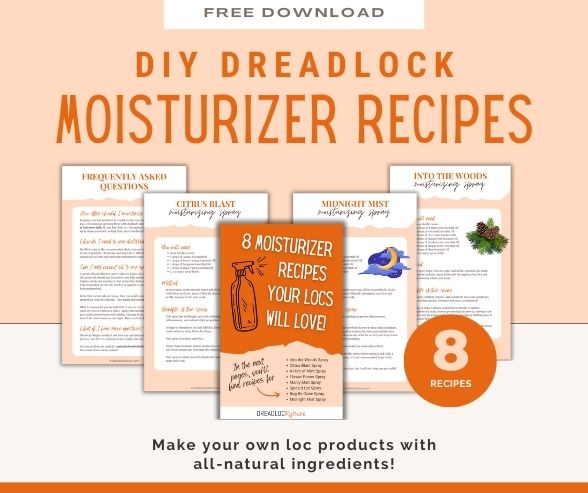
If there’s an error or the download doesn’t come through, send me a message at book@dreadlockulture.com and I will happily send it to you. 🙂


12 comments
I love this article. Thank you. I cannot wait to try different things because I was born with hereditary lymphedema & hypothyroidism. With my malfunctioning lymphatic system comes a weight problem & swelling. I contained the problem w/running & diet until $ became an issue. I’ve grown locs 3 times. My present set I can nearly sit on but I’m convinced they could be thicker. I need advice on how to color my hair safely. What are the best products to use? Also, how can I download & print this article w/o the annoying ads? Thank you
Hi Malaika! Thank you for your kind words. 🙂 I appreciate you sharing your experience with hereditary lymphedema and hypothyroidism, and how you’ve managed these conditions while caring for your locs.
For coloring locs safely, I recommend using only henna or other natural coloring ingredients. Chemical dyes can cause long-term damage to locs, especially since they can get trapped inside and be difficult to rinse out completely. Natural alternatives are much gentler.
For an ad-free version of the article, please send me an email at nadia@dreadlockulture.com, and I’ll send you a clean PDF copy you can easily read and reference.
Your nearly sitting-length locs are impressive! If you have specific questions about thickening them or other loc care tips, I’d be happy to help! I look forward to chatting with you soon!
Thanksso much for the advise
This information was helpful for me. I appreciate all the information that was given to me Dreadlocks
Hi Robin! This makes me so happy to hear. 🙂
Let me know if you have any loc questions in the future. I’m always happy to help!
Thanksso much for the advise
You’re very welcome 🙂
Thank you for this useful information,I’m considering trimming my Locs due to thinning at roots
Excellent article Nadia. Thank you
Aw, thank you so much for your kind words Sakazhua 🙂
Does onion change colored Locs if I have dyed?
Hi Vivienne, there is mixed information about this.
Some sources say that onions have natural beaching properties and can lighten hair, especially when exposed to the sunlight. Other sources mention that it’s possible for dyed hair to change color because of the enzymes in onions interacting with the chemicals in hair dye.
But the components of each hair dye are different and each onion type is different too, so there’s no way to know how much your locs will change if you use onion juice on them. The only way to know would be to test it out, which is a risk of course. If you’re willing to take the risk, I would recommend testing it on only one or two of your locs near the base of your neck, since those are mostly hidden.
A cool thing I learned is that onions contain an enzyme (catalase) that helps our hair return to its original color in the case of the premature graying of hair. If you’re dying your hair because of this reason, then onions might actually be a great thing to try.
Let me know if you test it out and what your results are 🙂