

When it comes to maintaining healthy, thriving dreadlocks, there’s more to the equation than just washing and retwisting. One of the most crucial—and often underestimated—parts of any loc care routine is the use of oils. But not all oils serve the same purpose.
While oils don’t actually moisturize the hair, they play an essential role by sealing in the moisture you’ve already added with a water-based spray. Without this seal, your locs are more likely to become dry, brittle, and prone to breakage.
This article breaks down the two main types of oils used in dreadlock care: carrier oils and essential oils.
Carrier oils—like jojoba, coconut, or argan—deliver nourishment and seal in hydration, while essential oils—like tea tree or lavender—offer targeted scalp benefits, such as soothing irritation or fighting dandruff.
Together, they can support both scalp health and loc longevity when chosen and applied correctly.
Why Oils Are Important for Locs
Dreadlocks have a unique structure. Their knotted formation makes it difficult for your scalp’s natural oil (sebum) to travel down the length of your hair. Without supplemental care, locs can become dry, frizzy, and prone to breakage.
That’s where oils come in—but it’s important to understand that not all oils work the same way.
There are two main types of oils used in loc care: carrier oils and essential oils.
- Carrier oils (like jojoba, coconut, or grapeseed) are the base oils used to seal in moisture, soften strands, and nourish the hair.
- Essential oils (like tea tree, lavender, or peppermint) are highly concentrated plant extracts used in small amounts—typically diluted in a carrier oil—to target specific scalp concerns such as itchiness, dandruff, or inflammation.
When combined and used intentionally, these oils can help your locs stay hydrated, strong, and free from buildup.
1. Moisture Sealing (Carrier Oils)
Carrier oils don’t moisturize on their own—they seal in moisture that you’ve already added through water or a water-based spray. Think of them as a protective barrier that locks hydration into the hair shaft and prevents it from escaping.
2. Scalp Nourishment (Carrier + Essential Oils)
A healthy scalp is essential for healthy dreadlocks. Carrier oils can condition the skin, reduce flaking, and help restore balance, while essential oils provide targeted relief from irritation, dryness, or microbial buildup.
For example, adding a few drops of tea tree oil to a base of jojoba oil can soothe itchiness on the scalp and combat dandruff. Massaging this blend also stimulates circulation, which may promote stronger, healthier hair growth.
3. Protection Against Breakage (Carrier Oils)
Carrier oils soften the hair shaft and reduce mechanical stress from daily wear, environmental exposure, or tight styles. This protective layer can be especially helpful for mature locs or locs that are regularly exposed to sun, wind, or saltwater.
Oils also help reduce friction between strands, especially at the roots and ends where locs tend to be most vulnerable. For this reason, you want to use a minimal amount of carrier oil on your scalp, because too much can potentially lead to buildup.
4. Buildup Prevention (Choosing the Right Oils)
Oils are not created equal. Choosing the correct ones can help you prevent buildup on your scalp and oiliness on the locs themselves.
Depending on your hair porosity and the comedogenic rating of each oil, you will be able to determine which oils are best for your scalp and which are better suited for the locs themselves.
I made a PDF guide with the best oils for your scalp and locs (comedogenic vs non-comedogenic), as well as essential oils with the highest rating of UV protection. Download it below!

Download the oil guide!
Please fill out the form to receive the download link in your inbox.
Comedogenic vs. Non-Comedogenic Oils
The term “comedogenic” refers to an oil’s likelihood of clogging pores.
On a scale from 0 to 5, oils rated 0–2 are generally considered non-comedogenic and are safer for most scalps. Oils with a higher rating may be more likely to cause clogged pores, especially for people with acne-prone or sensitive skin.
For your scalp, non-comedogenic oils like argan, grapeseed, or jojoba are ideal.
For your locs, heavier oils like coconut or olive oil can be used sparingly and in moderation to avoid buildup.
Always avoid petroleum-based products, which are highly comedogenic and difficult to wash out of dreadlocks.
How to Choose the Best Oil for Your Dreadlocks
The best oil for your dreadlocks depends on several key factors—your hair’s texture, your scalp’s condition, your lifestyle, and your hair’s porosity (how well your hair absorbs and retains moisture).
Paying attention to these elements will help you choose oils that nourish without buildup, hydrate without heaviness, and support long-term scalp and loc health.
By Hair Texture
Thick or coarse locs
These locs tend to be drier and benefit from heavier oils that can penetrate and stay in place.
Best options:
- Coconut oil: Proven to penetrate the hair shaft and reduce protein loss. Best for coarse, dry hair.
- Castor oil: Rich in ricinoleic acid; supports scalp stimulation and sealing. Thick and beneficial for dense textures.
- Olive oil: Emollient and moisturizing. While heavier, it’s suitable for coarse hair when used moderately.
Fine or soft locs
Finer hair can become weighed down easily, so lightweight oils are essential to avoid buildup or flattening.
Best options:
- Jojoba oil: Closest to sebum, light, non-greasy.
- Argan oil: Rich in vitamin E and fatty acids; absorbs quickly.
- Grapeseed oil: Lightweight, non-greasy, and antioxidant-rich.
By Scalp Type
Dry or itchy scalp
You’ll want oils that hydrate, soothe irritation, and have antimicrobial properties.
Best options:
- Jojoba oil + tea tree essential oil: Jojoba hydrates; tea tree is antimicrobial and anti-inflammatory.
- Sweet almond oil + lavender or chamomile essential oil: Both essential oils are soothing and gentle on irritated skin.
- Olive oil: Emollient and helpful for flaking or dryness. Use moderately, and especially for dry skin patches.
Oily or acne-prone scalp
Stick with non-comedogenic, fast-absorbing oils that won’t clog pores or trigger breakouts.
Best options:
- Argan oil: Comedogenic rating of 0. Safe and absorbs well.
- Grapeseed oil: High linoleic acid content helps balance sebum production.
- Jojoba oil: Rating of 2, but still widely tolerated even by oily/acne-prone users due to its similarity to natural sebum.
Sensitive scalp
Choose hypoallergenic, gentle oils with minimal scent and no harsh additives.
Best options:
- Jojoba oil: Closest to the skin’s natural oils. Mild and well-tolerated.
- Fractionated coconut oil: MCT-rich, lightweight, and less comedogenic than raw coconut oil.
By Hair Porosity
Porosity refers to how well your hair can absorb and retain moisture.
One way you can determine your porosity is with a simple water test. Drop a clean strand of shed hair into a glass of water, wait 5 minutes, and observe what it does.
- If it sinks quickly, you likely have high porosity.
- If it floats for a while, then slowly sinks, you likely have medium/normal porosity.
- If it floats on top for a long time, you likely have low porosity.
For a full explanation on hair porosity and different tests to confirm what your hair’s porosity is, click here.
High porosity hair
This type of hair absorbs moisture quickly but loses it just as fast. You’ll want heavier oils that seal moisture in and help reinforce the hair shaft.
Best oils:
- Castor oil: Thick and good for sealing in moisture.
- Avocado oil: Rich in monounsaturated fats, penetrates well.
- Shea butter (technically a butter, not an oil, but very effective as a sealant): Occlusive and protective; excellent for sealing moisture in porous hair.
Medium porosity hair
The most balanced hair type—moisture enters and stays reasonably well. Most oils will work, but medium oils will work best. Focus on regular maintenance rather than correction.
Best oils:
- Argan oil
- Jojoba oil
- Sweet almond oil
Each of these oils is suitable for maintaining moisture and flexibility without overdoing it.
Low porosity hair
This hair type resists moisture absorption and is prone to buildup. Use lightweight oils and apply them when the hair is damp to help them penetrate better.
Best oils:
- Grapeseed oil: Lightweight and easily absorbed.
- Fractionated coconut oil: Light, mimics sebum, penetrates reasonably well with heat.
- Apricot kernel oil: Lightweight, rich in oleic and linoleic acids.
🔍 Tip: For low porosity hair, warm your oil slightly before applying. Heat opens the hair cuticle and improves absorption.
By Lifestyle
Active lifestyle / frequent sweating
Choose lightweight, breathable oils that won’t trap sweat or dirt. Oils that absorb quickly and don’t attract dust or lint are ideal.
Best oils:
- Grapeseed oil
- Jojoba oil
- Argan oil
All of these absorb quickly, don’t trap grime, and leave minimal residue. Lightweight oils are best for avoiding scalp congestion from sweat.
Low-maintenance or occasional care routines
If you oil less frequently, you may benefit from richer oils that last longer between applications.
Best oils:
- Coconut oil
- Olive oil
- Castor oil
Thicker oils last longer and retain moisture well between washes. These are suitable for infrequent oiling.
Overnight or deep treatments
For more intensive conditioning, go for heavier oils or oil blends that can soak in over several hours. Always follow with a gentle rinse or wash to remove excess.
Best oils:
- Avocado oil
- Castor oil
- Shea butter + coconut oil blend
Deep-penetrating and occlusive. All are excellent for extended application and deep conditioning.
How Often Should You Oil Dreadlocks?
- Dry scalp: 2–3 times per week
- Normal scalp: Once a week
- Oily scalp or humid climates: Every 10–14 days
Adjust your schedule seasonally—your hair may need more frequent oiling in the winter and less in summer.
Common Mistakes to Avoid
🚫 Using comedogenic oils on the scalp
High-comedogenic oils like coconut or wheat germ oil can clog pores and worsen scalp issues. Use them sparingly and mostly on locs, not the roots.
🚫 Applying oil to dirty hair
This seals in dirt and sweat, which can lead to irritation and odor.
🚫 Neglecting scalp care
Your locs can’t thrive if your roots are inflamed, clogged, or dehydrated.
🚫 Overloading with oil
Heavy-handed oiling leads to buildup, lint attraction, and can slow down the locking process.
🚫 Ignoring product labels
Avoid synthetic oils (like mineral oil or petroleum jelly), which sit on the hair, block moisture, and are hard to wash out.
Final Thoughts
Choosing the best oil for your locs is all about understanding your hair type, hair porosity, your scalp, and your lifestyle. Light, non-comedogenic oils are usually safest for your scalp, while slightly heavier oils can be used sparingly to nourish and protect the locs themselves.
By picking oils that align with your hair’s texture and scalp condition—and applying them with care—you’ll support healthy, strong, and vibrant dreadlocks that thrive naturally. Your loc journey is unique, and the right oils can help you nurture that journey every step of the way.
Download the 8 Dreadlock Moisturizer Spray Recipes!
Please fill out the form to receive the download in your inbox.
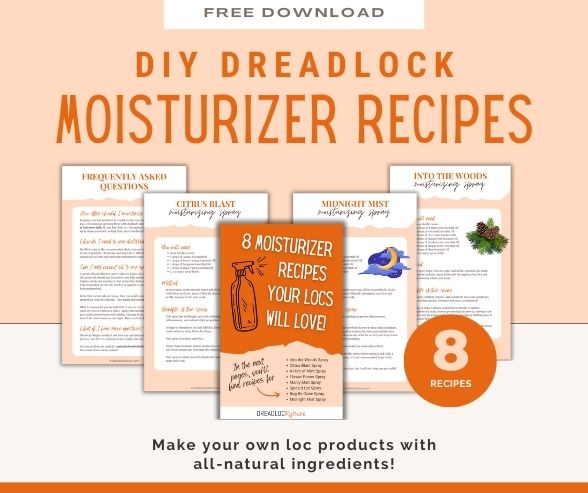
If there’s an error or the download doesn’t come through, send me a message at book@dreadlockulture.com and I will happily send it to you. 🙂


