
There is no age limit for starting locs. In fact, many people choose to begin their loc journey in their 50s, 60s, 70s, and beyond.
Some have dreamed of having locs their entire lives and finally decide that now is the right time. Others discover that wearing locs helps them feel more confident, youthful, creative, or simply more like themselves. Whatever your reason may be, choosing to start locs is a personal decision, and age alone should never stand in the way of pursuing the hairstyle you’ve always wanted.
That said, it’s helpful to recognize that hair naturally changes as we age. If you’re starting locs as an older adult, your hair may not behave exactly the way it did decades ago. You may notice that it’s a little finer, drier, or slower-growing than it once was. None of these changes mean you can’t have beautiful, healthy locs. They just mean your hair may have different needs than it did in the past.
But before we discuss maintenance, it’s important to understand how our hair changes as we get older, especially when it comes to starting or having locs.
Understanding How Hair Changes With Age
Although everyone’s hair ages differently, researchers have identified several biological changes that commonly occur over time. These changes affect everything from hair color and thickness to moisture, strength, and elasticity. Genetics, overall health, hormones, nutrition, medications, and lifestyle all influence how noticeable these changes become, which is why no two people have exactly the same experience.
It’s also important to remember that growing older doesn’t automatically mean having unhealthy hair. Many older adults continue to grow strong, beautiful hair well into their later years. Instead, these biological changes simply explain why hair often requires a slightly different approach than it did when we were younger.
Understanding these differences is especially helpful if you’re considering locs. Since locs are formed from your natural hair, the condition of the hair fiber and scalp plays an important role in how your locs develop and mature.
Melanin Production and Gray Hair
One of the most noticeable changes that occurs with age is the gradual loss of hair pigment.
Hair gets its natural color from a pigment called melanin, which is produced by specialized cells known as melanocytes inside the hair follicle. As a new strand of hair forms, these melanocytes transfer melanin into the developing hair cells, giving each strand its natural color. Whether your hair is black, brown, blonde, or red, it is considered pigmented as long as melanin is still being produced.
Over time, melanocyte stem cells gradually become depleted, and the remaining melanocytes become less efficient at producing and transferring pigment. As a result, newly formed hairs begin emerging with less melanin, giving them a gray appearance. Eventually, some follicles stop producing pigment altogether, resulting in white hair.
One common misconception is that existing hair slowly turns gray after it has already grown out of the scalp. In reality, this doesn’t happen. Hair is no longer living tissue once it leaves the follicle, so it cannot lose pigment afterward. Instead, each new strand grows with the amount of melanin the follicle is capable of producing at that moment. This is why many people notice gray hairs gradually appearing alongside their pigmented hair over several years.
While melanin is best known for determining hair color, it also serves another important purpose. It helps absorb some ultraviolet (UV) radiation and reduces oxidative stress within the hair fiber. Although melanin doesn’t make hair immune to environmental damage, it does provide a degree of natural protection that gradually decreases as pigment production declines.
For people with locs, this simply means that gray or white locs may benefit from a little more protection against prolonged sun exposure and other environmental stressors since the hair has fewer natural defenses than pigmented hair.
Hair Follicle Activity
Every strand of hair begins inside a tiny structure beneath the surface of the skin called the hair follicle. This is where all of the activity responsible for producing healthy hair takes place.
Inside the follicle, rapidly dividing hair matrix cells build the hair fiber while the dermal papilla at the base of the follicle supplies nutrients and growth signals that help regulate hair production.
During our younger years, these cells communicate efficiently, allowing hair to grow steadily through the anagen, or active growth phase, which can last several years before the hair naturally sheds.
As we age, this process gradually becomes less efficient. Stem cell activity within the follicle naturally declines, communication between cells weakens, and the anagen phase often becomes shorter. Individual hairs may spend less time actively growing before transitioning into the resting, or telogen, phase. Because more hairs may be resting at the same time, some people notice increased shedding or a gradual reduction in overall hair density.
These changes don’t happen overnight, nor do they affect everyone equally. Some older adults maintain remarkably full heads of hair, while others experience more noticeable thinning. Genetics play a significant role, but normal aging also contributes to these gradual changes in follicle activity.
For someone considering locs, it’s important to understand that hair may grow a little more slowly than it once did, and your locs may take longer to gain length. However, slower growth doesn’t prevent you from developing healthy, mature locs.
Fortunately, the follicle continues producing hair throughout much of our lives. Supporting scalp health through gentle maintenance, proper cleansing, good nutrition, and avoiding unnecessary tension at the scalp can help create the best possible environment for those follicles to continue producing healthy hair.
Hair Shaft Thickness
The hair shaft is the visible portion of your hair, and much of its strength comes from the cortex, the thick middle layer packed with keratin proteins. In younger hair, the cortex is generally well developed, giving each strand greater strength, flexibility, and resistance to everyday wear. Hair fibers also tend to have a more consistent diameter, contributing to hair that feels fuller and more resilient.
As we age, individual hair fibers often become finer and less mechanically strong. The hair shaft may gradually decrease in diameter, and the internal structure of the cortex can become less uniform over time. While these changes vary from person to person, they help explain why hair may feel more delicate than it once did and why it may be more susceptible to breakage during brushing, styling, or everyday handling.
If you’re planning to start locs, these changes don’t mean your locs won’t be successful. They simply mean your mature locs may end up somewhat smaller or lighter than they might have been years earlier. Many people appreciate this look because it creates locs that are easier to manage and place less weight on the scalp.
Cuticle Condition
The outermost layer of the hair strand is called the cuticle. It consists of overlapping cells that act much like shingles on a roof, protecting the inner cortex from damage while helping regulate moisture within the hair shaft.
When the cuticle is smooth and relatively undamaged, hair reflects more light, feels softer to the touch, and experiences less friction when strands rub against one another. A healthy cuticle also helps the hair retain moisture more effectively, which contributes to flexibility and strength.
Over the years, normal exposure to washing, sunlight, brushing, weather, and daily styling gradually wears on the cuticle. As hair naturally ages, the cuticle often becomes rougher and more irregular. This can increase friction between strands, making hair feel coarser, appear less shiny, and become more prone to tangling.
For someone with locs, a slightly rougher cuticle isn’t always a disadvantage. Since locs rely on hairs naturally intertwining and remaining tangled, the increased surface friction may actually help hairs stay loc’d more easily. At the same time, it’s still important to minimize unnecessary damage by handling your locs gently and avoiding harsh products that can further weaken the cuticle.
Protein and Keratin Structure
Hair is made primarily of a structural protein called keratin. Inside the cortex, keratin proteins form an organized network that provides much of the hair’s strength.
This structure is remarkably durable, but like many tissues in the body, it changes gradually with age. The organization of keratin proteins becomes less efficient over time, contributing to weaker hair strands and lower elasticity. As a result, hair may become more brittle.
These changes don’t happen suddenly, and they don’t affect everyone to the same degree. However, they do help explain why older hair often doesn’t tolerate frequent heat styling, chemical treatments, or excessive manipulation as well as it once did.
For loc wearers, this simply reinforces the importance of a gentle maintenance routine. Tight retwists, tension around the roots, or dyeing the hair with chemically-based dyes can place additional stress on hair that is already naturally becoming more fragile.
Moisture and Oil Balance
One of the most noticeable changes many people experience with age is increased dryness.
The scalp contains sebaceous glands that produce sebum, the natural oil that lubricates both the scalp and the hair shaft. During our younger years, these glands are generally more active, helping maintain a healthy balance of moisture while providing a protective layer that reduces friction and dryness.
As we age, sebum production commonly declines. With less natural oil reaching the hair shaft, hair often feels drier, stiffer, or rougher than it once did. Combined with the structural changes taking place within the hair fiber itself, this reduction in natural lubrication is one of the primary reasons older hair may require additional moisture.
This becomes especially important for people with locs because natural oils travel more slowly through a mature loc than they do through loose hair. If your locs begin feeling dry or brittle, moisturize them with a lightweight, water-based moisturizer to help replenish hydration without leaving buildup. Here you can check out my favorite DIY loc moisturizer recipes!
Hair Growth Rate
Healthy hair grows an average of about one centimeter each month. While growth rates vary based on genetics, overall health, nutrition, hormones, and lifestyle, healthy follicles typically maintain fairly consistent growth throughout adulthood.
As hair naturally ages, however, growth can become a little slower. Reduced cellular activity inside the follicle and a shorter anagen phase mean that individual hairs may spend less time actively growing before entering the resting phase of the hair cycle.
Many people notice that their hair doesn’t seem to reach the same length it once did, even though it continues growing. This usually isn’t because the hair has stopped growing altogether. Instead, it may be because individual hairs shed sooner, which limits their maximum length.
For someone growing locs, it’s helpful to keep these changes in perspective. Mature locs may take longer to gain noticeable length than they would have years earlier, but healthy growth is still very much possible.
Elasticity
Healthy hair has a natural ability to stretch slightly under tension before returning close to its original shape. This is called elasticity, and it helps protect the hair from snapping during everyday brushing, styling, and movement.
Elasticity depends on several factors, including the organization of keratin proteins, moisture content within the hair shaft, and the hair’s natural lipid balance.
As we age, these factors gradually change. Hair often becomes less elastic and more brittle, making it less capable of stretching before breaking. This is one reason older hair may feel more fragile.
For people with locs, preserving elasticity means avoiding unnecessary stress on the hair whenever possible. Gentle retwisting, reducing excessive tension, and moisturizing as needed can all help reduce breakage while supporting stronger, healthier locs.
Pigment Protection Against Environmental Damage
Melanin does more than determine hair color. It also provides a degree of natural protection by absorbing some ultraviolet (UV) radiation and helping reduce oxidative stress within the hair fiber. While this protection isn’t complete, it does help reduce some of the everyday wear caused by environmental exposure.
As pigment production declines, hair gradually loses some of this natural defense. Combined with reduced sebum production and lower elasticity, older hair may become more susceptible to certain environmental stressors.
For example, prolonged sun exposure can contribute to protein damage within the hair shaft and may even cause gray or white hair to develop a yellowish tint.
Dry climates and low humidity can pull moisture from the hair, increasing brittleness.
Wind creates friction between strands, while chlorine, saltwater, pollution, and repeated heat styling can all contribute to additional dryness and cuticle wear.
These conditions affect all hair to some degree, but some preventative measures can be taken.
Protect your locs by covering them with a hat or scarf if you’re spending a lot of time in the sun. Rinse your locs after swimming, avoid excessive heat (from a hair dryer, for instance), and maintain your locs moisturized.
Is It Worth Starting Locs in Your 50s, 60s, 70s, or Beyond?
Absolutely!
I’ve had the privilege of talking with several people who started their loc journeys after the age of 50. Despite coming from different backgrounds and having different reasons for getting locs, they all seem to describe the experience in a similar way: it’s incredibly liberating.
Some had dreamed of having locs for decades but never felt it was the right time. Others wanted a hairstyle that felt more authentic to who they are today. I’ve even had people tell me that wearing locs makes them feel more youthful, more creative, and more confident than they have in years.
If you’ve been wondering whether you’re “too old” to start locs, I hope this article has shown that age isn’t the deciding factor. Healthy locs can begin at any stage of adulthood.
If locs are something you’ve always wanted, don’t let your age be the reason you never begin. Instead, go into your journey with realistic expectations and an understanding of how your hair may behave differently than it did years ago. The more you understand your hair, the more confident you’ll feel as your locs begin to mature.
Things to Consider When Starting Locs as an Older Adult
One of the first things many people notice as they get older is that their hair has less density than it once did. As follicles naturally produce fewer active hairs over time, there may be less hair available to form each loc. Because of this, your finished locs may be somewhat thinner than they would have been earlier in life. This is completely normal.
For this reason, it is recommended that you start with smaller or thinner locs if your hair has naturally become less dense. Since each loc will contain less hair, it will also carry less weight as it matures. That means there’s generally less tension pulling on the root, which can be especially beneficial for follicles that have become more delicate with age. Smaller sections also allow the available hair to be distributed more evenly across the scalp.
One advantage of starting locs as you get older is that the locking process may come a little more naturally. As mentioned earlier, the cuticle gradually becomes slightly rougher over time, and the hair slowly loses some of its elasticity. Together, these natural changes can make individual hairs grip and knot more easily than smoother, younger strands.
Of course, everyone’s hair is different. Curl pattern, hair texture, maintenance routine, and lifestyle all influence how quickly locs mature. In any case, healthy locs develop over time, and patience remains one of the most important parts of the journey.
Tips for Keeping Your Locs Healthy and Strong as You Age
As our hair changes throughout life, our loc care routine will likely need a few adjustments. Here are some suggestions to help you adapt your loc care routine.
1. Moisturize when your hair needs it.
If your locs begin to feel dry or brittle, use a lightweight, water-based moisturizer or hydrating spray as needed. Download my favorite loc moisturizer recipes here!
2. Give your scalp a little extra support.
If your scalp feels dry, consider occasional oil treatments with a small amount of jojoba oil. Because jojoba closely resembles the scalp’s natural sebum, it’s one of the best choices for adding moisture without leaving heavy buildup behind.
3. Be gentle during maintenance.
Avoid overly tight retwists and hairstyles that place excessive tension on the roots. If your scalp feels sore after an appointment, ask your loctician to use less tension during future maintenance. If your hair is thinning, consider extending the time between root maintenance appointments. Waiting 3 to 6 months between sessions may help reduce repeated tension on the follicles and allow more new growth to come in.
4. Protect your locs from unnecessary damage.
Simple habits like covering your locs (to protect them from the sun), limiting excessive heat styling, rinsing your locs after swimming, and sleeping on a satin pillowcase or wearing a satin bonnet at night can help lessen friction and reduce hair breakage and frizz.
5. Keep your locs and scalp clean.
Regular washing helps maintain a healthy scalp and prevents excessive buildup. Just as importantly, make sure your locs dry completely after every wash. Never put damp locs into a ponytail, cover them for long periods, or go to bed before they’re fully dry.
6. Support healthy hair from the inside out.
A balanced diet, proper hydration, quality sleep, regular exercise, and managing underlying health conditions all contribute to healthier hair growth. While none of us can stop the natural aging process, we can give our hair the best possible environment to thrive.
Final Thoughts
Your hair may not be exactly the same as it was decades ago, but that doesn’t mean your loc journey has any less potential. Hair naturally changes over time, but with the right care and a little patience, those changes don’t have to stand in the way of growing healthy, beautiful locs.
Download the 8 Dreadlock Moisturizer Spray Recipes!
Please fill out the form to receive the download in your inbox.
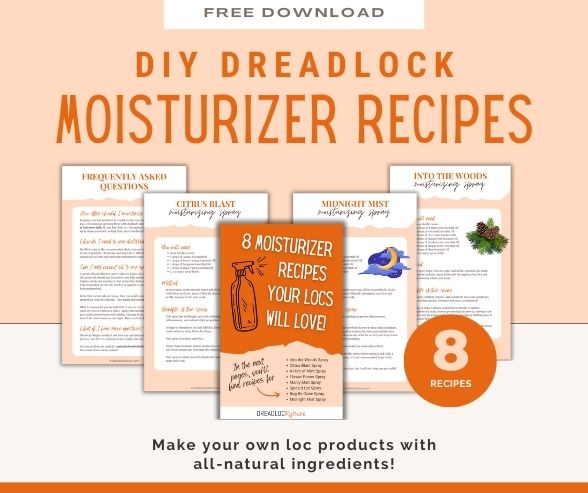
If there’s an error or the download doesn’t come through, send me a message at book@dreadlockulture.com and I will happily send it to you. 🙂