

Dreadlocks are more than just a hairstyle – they’re a journey, a commitment, and often the source of endless questions. Whether you’re just starting your loc journey or have been growing your locs for years, it’s common to have some burning questions.
In this post, I’m sharing the answers to seven of the most frequently asked questions.
Common questions about locs
1. Can Anyone Get Locs Regardless of Hair Type?
Yes, absolutely! While anyone can start locs, your hair texture plays a significant role in the ease and speed of the process.
- Type 3 & 4 hair: These hair types lock more easily and tend to form dense, thick locs.
- Type 2 & some Type 3 hair: These hair types may take more time to lock and might require additional effort to maintain.
- Type 1 hair: This hair type takes the longest to lock and results in thinner locs.
The method you use to start your locs will also vary depending on your hair type. Some techniques work better for specific textures, so it’s essential to choose the right method for your hair. If you’re unsure about which method suits you, you can learn about all the different methods for starting locs based on hair type right here.
2. How Long Does My Hair Need to Be to Start Locs?
The longer your hair, the easier it will be for your locs to form and stay intact. However, you can start locs with hair that’s at least 6 inches long. Longer hair provides a firmer base, making it less likely to unravel during the locking process.
3. What If I Started My Locs Using the Wrong Method?
If you find that the method used to start your locs isn’t working well with your hair type, don’t panic. You have a few options.
When I started my locs, my loctician used both the crochet and interlock methods, but the interlock method didn’t suit my hair, and some sections of my locs never fully matured.
If your locs aren’t tightening or are unraveling, starting over might be the best option. However, if they’re holding together, you can continue maintaining them with the correct method that works for your hair.
4. How Often Should I Do Maintenance, and Is It Expensive?
Maintenance frequency depends on your hair type, styling preferences, and whether you’re aiming for a more structured look or a freeform style.
- Type 4 hair might require more frequent maintenance to prevent congos (locks merging together), while Type 1 hair can typically go longer without needing as much maintenance.
- If you prefer a freeform look, you can delay maintenance and only do it once a year or so, but separating roots in between is recommended.
- For more structured locs, it’s generally recommended to get maintenance every 6-8 weeks.
As for pricing, it can vary significantly depending on your location, the loctician’s experience, and the methods used. You might pay anywhere from $60 to $500 for a session, so always discuss pricing upfront.
5. How Do I Find a Good Loctician?
Finding the right stylist is crucial to your loc journey. Here’s how you can find a skilled professional:
- Search online: Look for local locticians via social media or Google.
- Research their work: Check out their social media profiles to see their previous work and reviews.
- Consultations: Many locticians require an initial consultation. Use this opportunity to ask about their experience, techniques, and whether they’ve worked with your hair type.
- Pricing: Make sure you discuss the price upfront so you’re not caught off guard during the appointment.
Taking these steps will ensure you find someone who understands your hair and can deliver the results you want.
6. How Do I Strengthen My Hair at the Root?
Healthy roots are key to maintaining strong, thriving locs.
My formula for healthy roots is simple: nutrition + natural hair products + a healthy lifestyle + a good routine.
- Nutrition: Ensure you’re consuming plenty of water, vitamins (A, B, C, D, E), and minerals (zinc, calcium, iron). Protein-rich foods are essential too.
- Hair Products: Use natural ingredients like apple cider vinegar (diluted), green tea, aloe vera, and oils like rosemary, peppermint, and jojoba oil to nourish your scalp.
- Healthy Lifestyle: Adequate sleep, regular exercise, and managing stress are vital for hair health. Avoid tight hairstyles, as they can cause breakage, and minimize the use of harsh chemicals or products with alcohol.
A well-rounded routine will help you maintain strong and healthy roots.
7. How Do I Know If a Product Will Leave Residue on My Locs?
The key to avoiding product buildup is reading the ingredients label and doing thorough research. Some ingredients might claim to help your hair but could actually cause problems like buildup.
- Ingredient Check: Apps like Yuka (or Yuca) can scan barcodes to help you analyze products quickly. This app provides a score based on how good or bad the product is for your hair.
- Patch Test: If you’re unsure, do a patch test. Apply a small amount of the product to your skin or one or two locs. Wait until it dries and see if it feels sticky, which is a sign of buildup. If it feels good and washes off easily, it’s likely safe for your locs.
Testing products on a small area of your locs can save you from potentially ruining your entire set of locs.
Wrapping Up
Dreadlocks are a rewarding and personal journey. Whether you’re just starting or looking for tips to improve your current maintenance routine, I hope these answers have provided some clarity.
If you have more questions or need personalized advice, feel free to ask me in the comments below. I’m always happy to connect with others in the loc community and help you on your journey.
Have any of these tips worked for you? Let me know in the comments or share your own questions below!
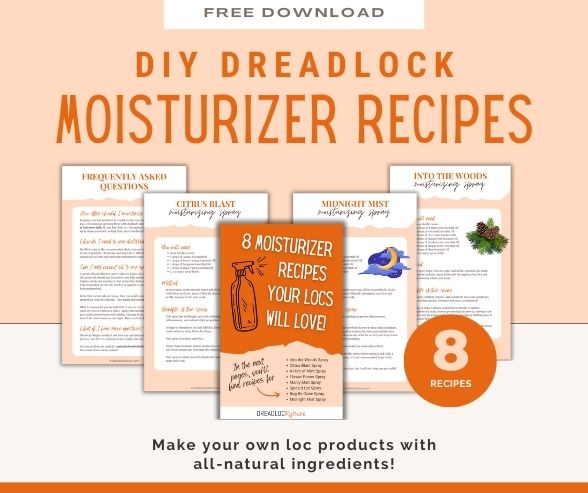
Download the 8 Dreadlock Moisturizer Spray Recipes!
Please fill out the form to receive the download in your inbox.
If there’s an error or the download doesn’t come through, send me a message at book@dreadlockulture.com and I will happily send it to you. 🙂


